

Do I Need Male Sanitary Bins in My Workplace?
We are all familiar with female sanitary bins in women’s washrooms, but are we aware that male sanitary bins are increasingly becoming an important part of modern workplace facilities.
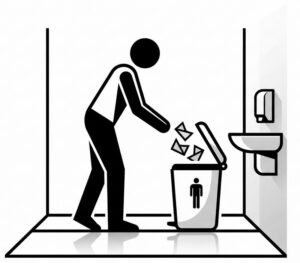 Facilities managers will need to know:
“Do we actually need male sanitary bins?”
The short answer is: in many situations, yes. Even where they are not yet legally required, male sanitary bins are becoming an important part of providing safe, hygienic and dignified washroom facilities.
Its the right thing to do.
Why Male Sanitary Bins Are Needed
Male sanitary bins provide discreet disposal for hygiene and incontinence products used by men.
These can include:
- Incontinence pads
- Male guards
- Absorbent underwear
- Medical wipes
- Catheter bags or related medical waste
Without proper disposal facilities, these items may end up in general waste bins or flushed down toilets, which can cause blockages, hygiene risks and expensive plumbing problems.
For many men managing medical conditions, having a suitable disposal bin available is about dignity, privacy and practicality.

The Growing Need: Prostate Cancer and Incontinence
One of the main reasons male sanitary bins are becoming more important is the growing number of men managing incontinence following prostate cancer treatment. According to Prostate Cancer UK, around 1 in 8 men in the UK will get prostate cancer in their lifetime. The charity’s Boys Need Bins campaign is also calling for bins in male toilets nationally.
In the UK:
- 144 men are diagnosed with prostate cancer every day
- 1 in 8 men will be diagnosed in their lifetime
- More than 52,000 men are diagnosed each year
Many men experience temporary or long-term urinary incontinence after treatment and rely on absorbent products during their daily lives.
Despite this, many men’s toilets still have no suitable way to dispose of these products. Some men even take used products home with them because there are no hygiene bins available.
Are Male Sanitary Bins Required by Law?
At present, UK legislation does not specifically require sanitary bins in men’s toilets.
However, businesses still have responsibilities relating to workplace hygiene and accessibility.
Workplace Health and Safety
Under the Workplace (Health, Safety and Welfare) Regulations, employers must provide suitable and hygienic sanitary facilities.
If employees or visitors need to dispose of incontinence products, providing an appropriate disposal option may form part of this responsibility.
Equality and Accessibility
Businesses also need to consider the needs of people with medical conditions under workplace equality and accessibility principles.
Providing male sanitary bins can be seen as a practical step towards creating inclusive and supportive workplace facilities.
Possible Future Changes
The national conversation is clearly moving in one direction. Prostate Cancer UK’s Boys Need Bins campaign has been pushing for the law to be updated, and GMB policy documents also support sanitary bins being available for all toilet users.
Where Should Male Sanitary Bins Be Installed?
Male sanitary bins are commonly installed in:
- Office buildings
- Workplace washrooms
- Hospitals and healthcare facilities
- Gyms and leisure centres
- Restaurants and hospitality venues
- Universities and schools
- Airports and transport hubs
They are typically placed inside cubicles or accessible toilets where users can dispose of hygiene products discreetly.

The Benefits of Installing Male Sanitary Bins
1. Dignity for Staff and Visitors
Men managing incontinence or medical conditions can dispose of products privately and comfortably.
2. Better Hygiene
Dedicated hygiene bins reduce the risk of contamination and maintain cleaner washroom environments.
3. Preventing Plumbing Problems
Incontinence products flushed down toilets are a major cause of blockages in commercial drainage systems.
4. Future-Proofing Your Facilities
Installing male sanitary bins now prepares organisations for potential future legislation and changing expectations around inclusive facilities.
5. Supporting Men’s Health
Providing appropriate disposal facilities sends a clear message that your organisation recognises and supports men’s health needs.
Do You Need Male Sanitary Bins?
You should strongly consider installing male sanitary bins if your building:
- Has a large workforce
- Receives regular public visitors
- Includes healthcare or medical services
- Employs an ageing workforce
- Wants to support inclusive workplace policies
For many organisations, installing male sanitary bins is a simple improvement that can significantly improve washroom facilities.
Male Sanitary Bin Services
Professional washroom service providers supply fully serviced male hygiene bins that include:
- Installation of the bin
- Scheduled waste collection
- Safe sanitary waste disposal
- Cleaning and deodorising of the unit
- Compliance with waste regulations
This ensures the bins remain hygienic, discreet and fully compliant.
The Future of Men’s Washroom Facilities
For decades, sanitary bins have been standard in women’s toilets. Awareness is now growing that men may also need appropriate hygiene disposal facilities.
As conversations around prostate cancer, incontinence and men’s health continue to grow, more organisations are recognising that male sanitary bins are an important part of modern washroom provision.
For the men who rely on them, they provide something simple but important: dignity.